Understanding the Power of Diverse Universal UI/UX Design Icons Collections
Icons are more than just visual elements in digital design—they serve as essential tools that enhance user experience, streamline navigation, and communicate functionality across platforms. In today’s fast-evolving digital landscape, the Diverse Universal UI/UX Design Icons Collection has emerged as a vital resource for designers, developers, and businesses aiming to create intuitive and visually engaging applications. This article explores the significance of UI/UX design icons, their practical applications, and how they contribute to the modern digital experience.
What Are UI/UX Design Icons?
User Interface (UI) and User Experience (UX) design icons are small graphical representations used to convey actions, features, or information within a digital product. These icons act as visual cues that guide users through an application or website, often replacing text to save space and improve usability. A well-designed icon can instantly communicate meaning, making it a critical component of effective digital design.
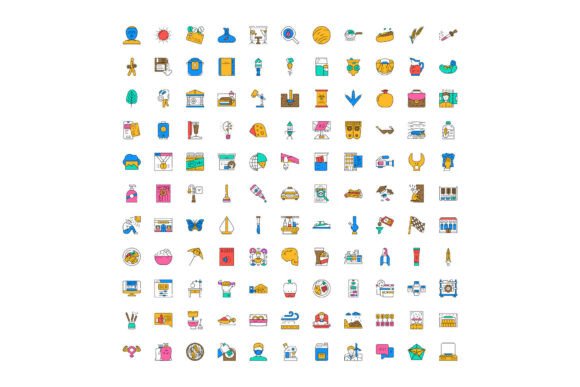
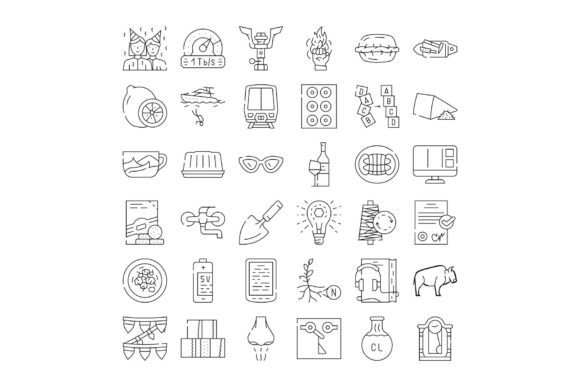
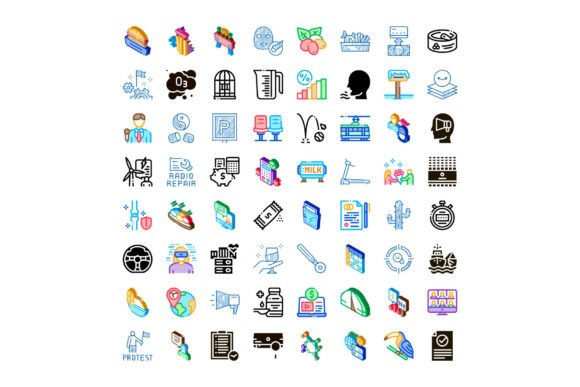
The Diverse Universal UI/UX Design Icons Collection encompasses a broad range of symbols that represent everything from basic navigation elements to complex interactive features. Whether you're designing a mobile app, a website, or a desktop software interface, these icons provide a consistent visual language that users can easily understand.
Why Universal Design Icons Matter
In a world where digital products are used by people from various backgrounds, cultures, and languages, the need for universally understandable icons is more important than ever. Universal design icons are crafted to be intuitive across different user groups, minimizing language barriers and ensuring that users can navigate interfaces with ease.
- Enhance Usability: Clear icons reduce cognitive load and help users perform tasks more efficiently.
- Improve Accessibility: Visual symbols can assist users with reading difficulties or language barriers.
- Support Multilingual Audiences: Icons transcend language, making digital products more inclusive.
By incorporating a collection of various interface and user experience design icons, designers can ensure their products are both functional and globally accessible.
Key Elements Covered in the UI/UX Icons Collection
A comprehensive UI/UX design icons collection typically includes a wide variety of elements that reflect the modern digital ecosystem. Some of the most commonly included categories are:
- Navigation Icons: Home, search, menu, back, forward, and settings icons.
- Interaction Icons: Buttons, sliders, toggles, checkboxes, and dropdowns.
- Media Icons: Play, pause, volume, download, upload, and share.
- Communication Icons: Email, chat, phone, video call, and notifications.
- Technology Icons: Cloud storage, Wi-Fi, Bluetooth, battery, and connectivity.
These icons are designed with consistency in mind, ensuring that they work cohesively within a single interface while remaining adaptable across different platforms and screen sizes.
How UI/UX Icons Fit Into Modern Digital Life
From the moment we unlock our smartphones to the time we log off our laptops, icons shape our digital interactions. Whether it’s a weather app, a banking platform, or a productivity tool, icons help users perform actions quickly and efficiently. Here are a few areas where UI/UX icons play a crucial role:
Business and Productivity
Modern business applications rely heavily on icons to streamline workflows and improve efficiency. Tools like project management software, CRM systems, and communication platforms use icons to represent tasks, alerts, and user actions, enabling teams to collaborate seamlessly across time zones and devices.
Education and E-Learning
E-learning platforms use icons to guide users through lessons, quizzes, and progress tracking. A well-placed icon can indicate a video, a downloadable file, or a completed module, making the learning experience more engaging and intuitive.
Creativity and Content Creation
Graphic design tools, video editors, and music production software all use icons to represent complex functions in a simple, visual format. These icons help creators focus on their work without getting lost in technical jargon or cluttered menus.
Everyday Technology Use
From smart home devices to wearable fitness trackers, icons are the primary means of interaction for many modern technologies. They allow users to adjust settings, monitor performance, and access features with minimal effort.
Choosing the Right Icons for Your Project
Selecting the appropriate icons for your design project involves more than just aesthetics. It requires a deep understanding of your audience, the functionality of your product, and the overall user experience you want to create. Here are some best practices to keep in mind:
- Consistency: Ensure all icons follow a uniform style, whether in terms of line weight, color palette, or level of detail.
- Clarity: Avoid overly complex or abstract designs that may confuse users.
- Context: Choose icons that align with the function they represent and the expectations of your users.
- Scalability: Opt for vector-based icons that maintain quality across different screen sizes and resolutions.
By leveraging a comprehensive UI/UX icons collection, designers can ensure their interfaces are both visually appealing and functionally effective.
Common Misconceptions About UI/UX Icons
Despite their widespread use, there are several misconceptions surrounding UI/UX icons that can lead to design inefficiencies:
- Icons are universally understood: While many icons are widely recognized, cultural differences and design trends can affect interpretation.
- More icons mean better design: Overloading an interface with icons can lead to clutter and confusion. Simplicity is often more effective.
- Icons can replace text entirely: In many cases, combining icons with text labels improves clarity, especially for less common functions.
Understanding these nuances can help designers make informed decisions that enhance usability without compromising design integrity.
Conclusion: The Future of UI/UX Icon Design
As digital interfaces continue to evolve, the role of UI/UX icons will only become more significant. With the rise of AI-driven interfaces, voice-controlled systems, and augmented reality environments, icons will need to adapt to new interaction paradigms while maintaining their core purpose: to guide, inform, and engage users.
The Diverse Universal UI/UX Design Icons Collection represents a valuable asset for designers looking to build modern, intuitive interfaces that resonate with global audiences. By embracing a thoughtful approach to icon selection and implementation, designers can create digital experiences that are not only visually compelling but also deeply functional.
Whether you're a seasoned professional or just starting out in the world of digital design, understanding the importance and application of UI/UX icons is a foundational skill that will serve you well in any design project.