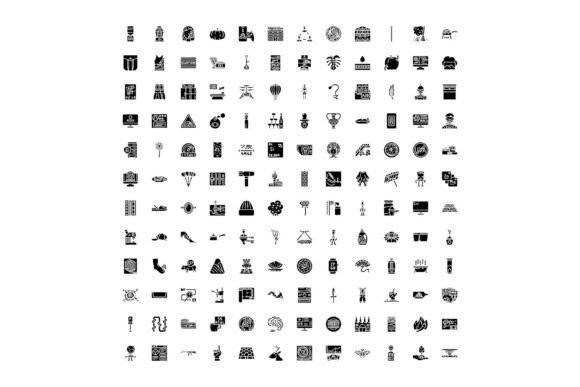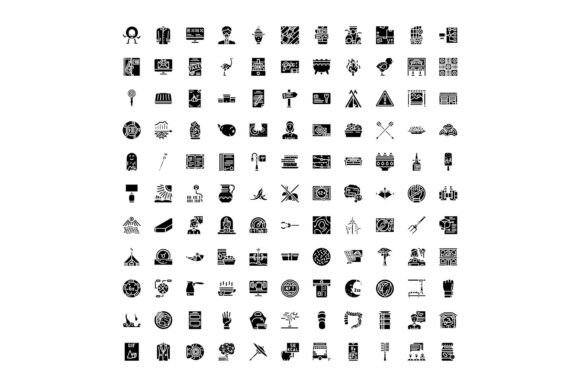
Enhancing Design Projects with a Diverse Collection of Black Glyph Icons
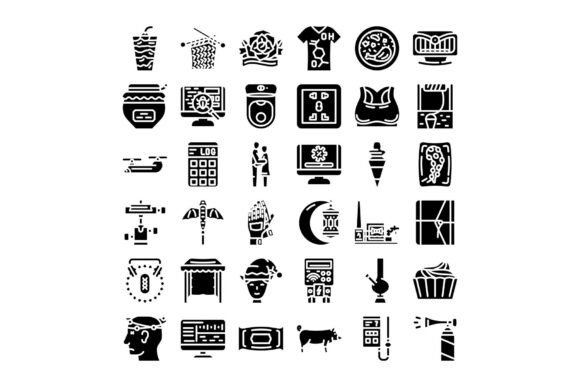
Icons play a crucial role in modern digital design, serving as visual cues that guide users, enhance aesthetics, and streamline communication. Among the many types of icon sets available, the Diverse Collection of Black Glyph Icons stands out for its versatility, clarity, and adaptability across a wide range of design contexts. Whether you're building a website, designing a mobile app, or crafting marketing materials, this collection offers a robust set of visual elements that can elevate your work.
Why Glyph Icons Matter in Modern Design
Glyph icons are minimalist, line-based illustrations that convey meaning through simple shapes and forms. Unlike filled or multi-colored icons, glyph icons often rely on outlines, making them ideal for clean, modern interfaces. Their simplicity allows them to blend seamlessly into various design systems without overwhelming the layout or distracting the user.
The Diverse Collection of Black Glyph Icons is especially valuable because it includes a broad range of symbols that represent concepts from technology, daily life, hobbies, and abstract ideas. This diversity ensures that designers can find the right icon for nearly any use case, from illustrating a blog post about productivity to designing a mobile app for fitness tracking.
Applications Across Different Industries
One of the strongest features of this icon set is its applicability across multiple industries. Let’s explore how different sectors can benefit from integrating these icons into their digital and print materials:
- Technology: From server racks to cloud computing, the tech industry relies heavily on visual shorthand. Glyph icons help convey complex ideas quickly and effectively.
- Education: Teachers and e-learning platforms can use icons to categorize content, highlight key points, and improve the visual flow of digital lessons.
- Health and Fitness: Whether it’s a heart rate monitor or a dumbbell, glyph icons help users instantly recognize features and functions in fitness apps and websites.
- E-commerce: Clear, recognizable icons for shopping carts, wishlists, and delivery options improve user experience and reduce friction during the checkout process.
Designing with Black Glyph Icons: Practical Benefits
Black glyph icons are not only aesthetically pleasing but also highly functional. Here are some practical benefits that make them a preferred choice for many designers:
- High Contrast and Readability: The black color ensures visibility across different backgrounds, especially light or neutral tones.
- Scalability: These icons maintain clarity at various sizes, making them suitable for both small buttons and large banners.
- Timeless Design: Monochrome icons avoid trends that may date a design, ensuring long-term usability.
- Easy Customization: Since they’re often vector-based, they can be resized, recolored, or modified without losing quality.
How to Choose the Right Icons for Your Project
Selecting icons that align with your brand and message is essential. When browsing through the Diverse Collection of Black Glyph Icons, consider the following factors:
- Consistency: Ensure all icons in your project follow the same style, line thickness, and perspective.
- Relevance: Pick icons that clearly represent the function or idea they are associated with.
- Accessibility: Use icons that are distinguishable even for users with visual impairments, and always pair them with text when necessary.
For example, if you're designing a productivity app, icons representing clocks, checklists, and calendars will resonate more with users than unrelated symbols. The Diverse Collection of Black Glyph Icons offers a wide enough variety to ensure you can find the right match without compromising on design integrity.
Integrating Glyph Icons into Web and Graphic Design
Modern web development frameworks and graphic design tools make it easy to incorporate glyph icons into your projects. Whether you're using Adobe XD, Figma, or a CSS icon library, the Diverse Collection of Black Glyph Icons can be imported and applied with minimal effort.
In web design, icons can be used to:
- Enhance navigation menus
- Highlight call-to-action buttons
- Visualize data in infographics or dashboards
- Improve the readability of content-heavy pages
Graphic designers can also use these icons to create social media assets, presentation decks, and print materials that maintain a cohesive visual language across platforms.
Considerations for Responsive Design
In today’s mobile-first world, responsive design is non-negotiable. Glyph icons are particularly well-suited for responsive layouts because they scale smoothly and maintain clarity across devices. When implementing the Diverse Collection of Black Glyph Icons in a responsive design, it’s important to test how the icons appear on different screen sizes and resolutions.
Some best practices include:
- Using vector formats like SVG to preserve quality
- Optimizing icon file sizes for faster loading
- Ensuring proper spacing and alignment on mobile interfaces
By following these guidelines, designers can ensure that their icon usage enhances the user experience rather than detracts from it.
Customizing Glyph Icons for Brand Alignment
While the Diverse Collection of Black Glyph Icons offers a ready-to-use solution, many designers choose to customize icons to better align with their brand identity. This can include adjusting line weight, adding shadows, or slightly modifying shapes to match a brand’s visual language.
However, it’s important to maintain the core recognizability of the icon. Over-customization can lead to confusion or misinterpretation. For instance, changing a magnifying glass icon too drastically might make it unrecognizable as a search tool.
Designers should also consider how the icons interact with other design elements. Consistency in spacing, alignment, and interaction behavior ensures a polished, professional result.
Where to Find and Use the Diverse Collection
The Diverse Collection of Black Glyph Icons is widely available through various design platforms and marketplaces. Many offer the icons in multiple formats such as SVG, PNG, and EPS, which makes them accessible for both web and print use.
Some platforms also provide licensing options that allow for both personal and commercial use, making it a practical choice for freelancers, startups, and enterprise-level companies alike.
Before downloading, always check the licensing terms and ensure the icons meet the technical and aesthetic requirements of your project. Previewing icons in different contexts can also help determine their suitability before full implementation.