Isometric Icons Collection Illustrating: A Modern Visual Language for Digital Interfaces
In today's fast-evolving digital landscape, visual communication plays a pivotal role in shaping user experiences. Among the emerging design trends, the Isometric Icons Collection Illustrating has gained significant traction among designers, developers, and business professionals. These icons offer a unique blend of depth, clarity, and versatility, making them a preferred choice for modern web and app interfaces.
Understanding Isometric Icons Collection Illustrating
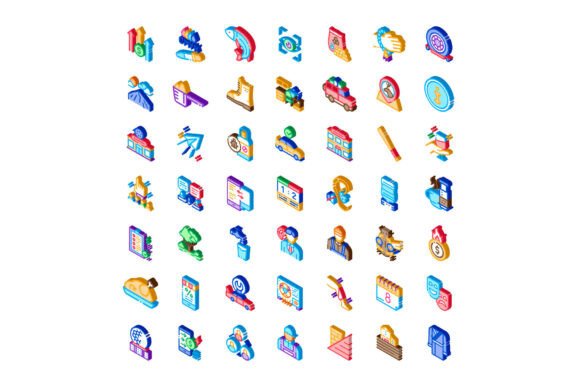
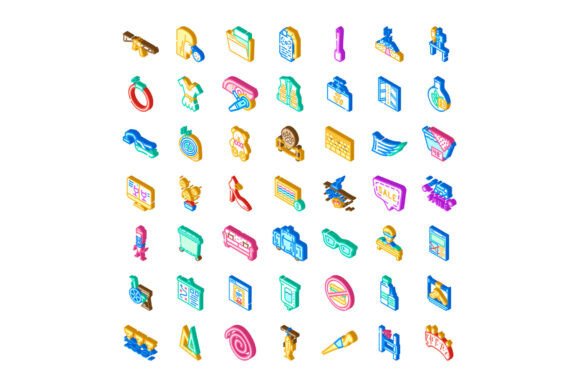
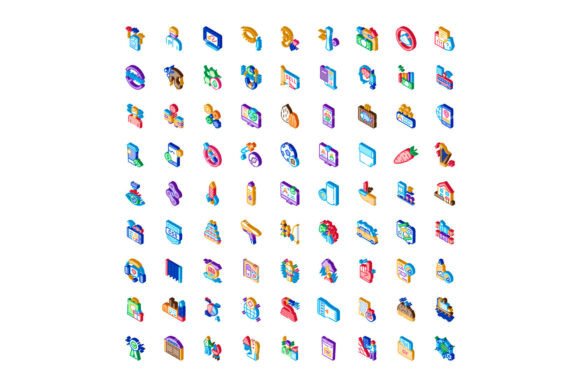
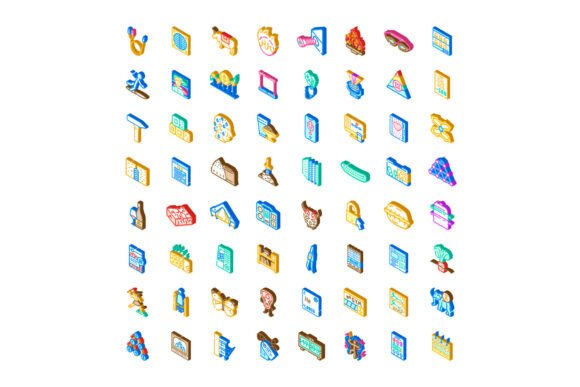
The Isometric Icons Collection Illustrating is a set of digital graphics that use isometric projection—a method of visually representing three-dimensional objects in two dimensions. Unlike traditional flat icons, isometric icons provide a subtle sense of depth and realism without overwhelming the viewer. This style mimics a 3D perspective, giving icons a more engaging and dynamic appearance while maintaining the scalability and simplicity of vector graphics.
These icons often depict a wide range of subjects, from business tools and technology devices to nature elements and lifestyle objects. The collection is typically categorized into themes such as finance, education, social media, food, and more, making it adaptable for various digital platforms and branding needs.
Why Isometric Icons Are Gaining Popularity
The growing adoption of isometric icons is not just a passing trend—it reflects broader shifts in design expectations and user behavior. As digital interfaces become more complex and information-dense, there's a rising demand for visuals that are both informative and aesthetically pleasing. Isometric icons bridge the gap between minimalism and realism, offering a modern visual language that resonates with both designers and users.
- Visual Clarity: Isometric icons are highly readable at a glance, making them ideal for dashboards, infographics, and mobile interfaces.
- Consistency: A well-designed collection ensures visual harmony across different icons, enhancing the overall look of a digital product.
- Scalability: Since they are usually created in vector format, these icons can be resized without losing quality, ensuring responsiveness across devices.
Aligning with Current Design and Business Trends
The rise of the Isometric Icons Collection Illustrating aligns with several key trends across industries:
- Human-Centered Design: As businesses prioritize user experience, visual elements like isometric icons help create interfaces that feel intuitive and approachable.
- Remote Work and Digital Collaboration: With more teams working remotely, digital tools need to be visually engaging and easy to interpret. Isometric icons support this by making complex workflows and features more digestible.
- Brand Identity and Storytelling: Brands are increasingly using visual metaphors to communicate their values and services. Isometric icons allow for creative storytelling through design, enabling companies to convey ideas more effectively.
Moreover, the integration of isometric design in platforms like Figma, Adobe Illustrator, and Sketch has made it easier for designers to implement these icons seamlessly into their workflows.
Meeting Evolving Design and User Expectations
As users become more design-savvy, their expectations for digital experiences have risen. Aesthetic appeal is no longer a luxury—it's a necessity. The Isometric Icons Collection Illustrating responds to this shift by offering a design solution that is both visually compelling and functionally effective.
Designers are increasingly expected to deliver interfaces that are not only functional but also emotionally engaging. Isometric icons contribute to this by adding a layer of depth and narrative to UI elements. For example, an e-learning platform might use isometric icons to represent courses, progress, and achievements in a way that feels immersive and motivating.
Practical Applications Across Industries
One of the strengths of the Isometric Icons Collection Illustrating is its versatility. Here are some real-world applications across various sectors:
- Business and Finance: Dashboards and financial reports benefit from icons that represent data, growth, transactions, and analytics in a visually digestible format.
- Technology and Software: Icons depicting devices, cloud services, and digital tools help users navigate complex SaaS platforms with ease.
- Education and E-Learning: Isometric icons can illustrate learning paths, course modules, and interactive elements, enhancing engagement and comprehension.
- Health and Wellness: From fitness tracking to mental health apps, isometric icons help convey wellness-related actions and progress in a friendly and approachable way.
- E-Commerce and Retail: Product categories, delivery status, and payment options can be clearly communicated using isometric visuals that enhance the shopping experience.
Design Workflow Integration and Accessibility
For designers and developers, integrating the Isometric Icons Collection Illustrating into their projects has become increasingly straightforward. Many design systems now include isometric components, and marketplaces like Iconfinder, Flaticon, and Undraw offer extensive isometric icon libraries.
These icons are also accessible by design. Their clean lines and defined shapes make them suitable for users with varying levels of visual acuity. When paired with proper color contrast and alt text, they contribute to a more inclusive user experience.
Future-Proofing Design with Isometric Icons
As digital interfaces continue to evolve, the need for adaptable and expressive visual elements will only grow. The Isometric Icons Collection Illustrating is well-positioned to meet this demand by offering a design style that is both modern and timeless. Its ability to convey depth without complexity makes it ideal for next-generation platforms, including AR/VR interfaces, AI-driven dashboards, and immersive web experiences.
Furthermore, as brands seek to differentiate themselves in a crowded digital marketplace, isometric icons provide a unique opportunity to stand out. Whether used for micro-interactions, landing pages, or mobile navigation, these icons offer a level of polish and professionalism that can elevate any digital product.
Conclusion: A Design Asset for the Modern Era
The Isometric Icons Collection Illustrating represents more than just a design trend—it's a reflection of how visual communication is evolving to meet the needs of today's digital world. As businesses, creators, and developers strive to build more engaging, intuitive, and aesthetically rich experiences, isometric icons offer a powerful tool to achieve those goals.
Whether you're designing a SaaS dashboard, launching a new mobile app, or creating a branded website, integrating isometric icons can enhance both functionality and visual appeal. By embracing this design approach, professionals across industries can future-proof their digital assets and deliver experiences that resonate with modern audiences.