Enhancing Visual Communication with a Large Collection of Diverse Outline Icons
The Role of Outline Icons in Modern Design
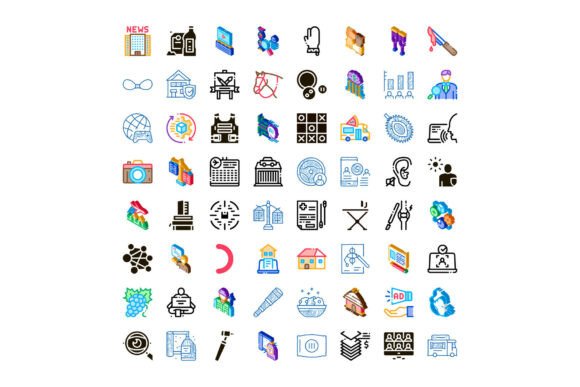
Outline icons have become a cornerstone in digital design due to their clean, minimalist appearance and adaptability across platforms. A large collection of diverse outline icons provides designers with the flexibility to convey complex ideas through simple visual elements. Whether it's for a website, mobile application, or print media, these icons serve as universal symbols that transcend language barriers.
Unlike filled icons, outline icons use strokes and negative space to define shapes, making them ideal for interfaces where subtlety and clarity are key. Their scalability ensures they remain sharp on high-resolution displays and adaptable to various color schemes, making them an essential tool for responsive design.
Why Doodle Line Icons Complement Outline Sets
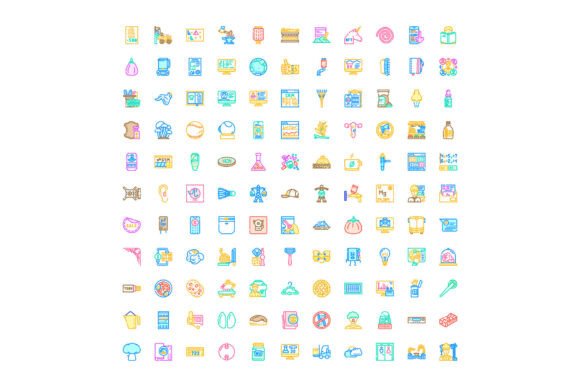
Incorporating a comprehensive set of doodle line icons alongside outline icons adds a creative and informal tone to projects. These hand-drawn or sketch-style icons are particularly effective in educational content, infographics, and user interfaces that aim to feel approachable and less rigid.
Designers often pair doodle line icons with outline icons to create visual contrast and hierarchy. For instance, in a learning management system, outline icons might be used for navigation, while doodle icons illustrate lesson content. This combination keeps the interface both functional and engaging.
Applications Across Industries
The versatility of outline and doodle line icons allows them to be used across a wide range of industries. Here are some practical applications:
- Business: Presenting data dashboards, organizational charts, and workflow diagrams with clarity.
- Technology: Representing software features, cloud services, and user permissions in a visually digestible format.
- Internet: Enhancing social media platforms, browser extensions, and website navigation systems.
- Travel: Creating interactive maps, itinerary planners, and service indicators for travel apps.
- Education: Supporting e-learning modules, interactive quizzes, and student dashboards with intuitive icons.
- Health: Simplifying medical information, wellness tracking, and telehealth interfaces for better user understanding.
- Science: Visualizing research data, biological processes, and educational content with precision and clarity.
Each of these use cases benefits from the large collection of diverse outline icons that cater to specific thematic needs while maintaining a cohesive design language.
Designing for Different User Types
One of the most compelling aspects of using a comprehensive icon set is its ability to appeal to a wide audience. Whether you're designing for professionals, consumers, educators, or researchers, outline and doodle icons can be tailored to suit the context and tone of the content.
For example, a business owner might prefer sleek, professional outline icons for a financial dashboard, while a teacher creating a children’s learning app might opt for doodle line icons to make the interface more playful and inviting. This adaptability ensures that the same icon library can serve multiple audiences effectively.
Technical Considerations for Implementation
When integrating a large collection of diverse outline icons into a digital product, there are several technical factors to consider:
- Scalability: Vector-based icons (SVG) are preferred for their ability to scale without loss of quality.
- Accessibility: Ensure sufficient contrast and provide alternative text for screen readers.
- Performance: Optimize icon files to reduce load times, especially when using large sets.
- Consistency: Maintain uniform stroke widths, corner radii, and spacing to preserve visual harmony.
- Licensing: Verify usage rights and redistribution permissions, particularly for commercial projects.
By addressing these considerations early in the design process, developers and designers can ensure that icons enhance the user experience rather than hinder it.
Customization and Personalization
Many modern design tools and frameworks allow for easy customization of outline and doodle icons. Designers can adjust colors, stroke thickness, and even animate icons to create dynamic interfaces. This level of personalization is particularly valuable when aligning icons with a brand’s visual identity.
For instance, a health and wellness brand might use soft pastel colors for outline icons in a meditation app, while a tech startup might choose bold, high-contrast outlines for a SaaS dashboard. Customization not only improves aesthetics but also strengthens brand recognition.
Choosing the Right Icon Set for Your Project
With so many options available, selecting the right icon set can be overwhelming. A comprehensive set of doodle line icons should offer a wide variety of themes, consistent design principles, and compatibility with popular design tools like Figma, Sketch, and Adobe XD.
Additionally, consider how frequently the icon set is updated. A well-maintained library will continue to grow with new themes and use cases, ensuring that your design toolkit remains relevant over time. Look for sets that include not only general-purpose icons but also niche categories like AR/VR, blockchain, and sustainability.
Future Trends in Icon Design
As digital interfaces evolve, so too does the role of icons in user experience design. Emerging trends include animated outline icons, variable stroke icons that adapt to different visual weights, and AI-assisted icon generation tools that streamline the design process.
Furthermore, the integration of outline and doodle icons into voice-activated interfaces and augmented reality environments is expanding their utility beyond traditional screens. These advancements underscore the importance of investing in a robust and future-proof icon library.
Final Thoughts
A large collection of diverse outline icons paired with a comprehensive set of doodle line icons offers a powerful toolkit for designers and developers alike. Whether you're building a mobile app, crafting an educational website, or developing a complex enterprise dashboard, these icons provide clarity, consistency, and creativity.
By understanding the practical applications, technical requirements, and evolving trends in icon design, professionals can make informed decisions that enhance both functionality and aesthetics. As digital experiences become increasingly visual, the importance of a well-curated icon set will only continue to grow.