Understanding Isometric Business and Web Design Elements: A Visual Revolution in Digital Creativity
What Are Isometric Business and Web Design Elements?
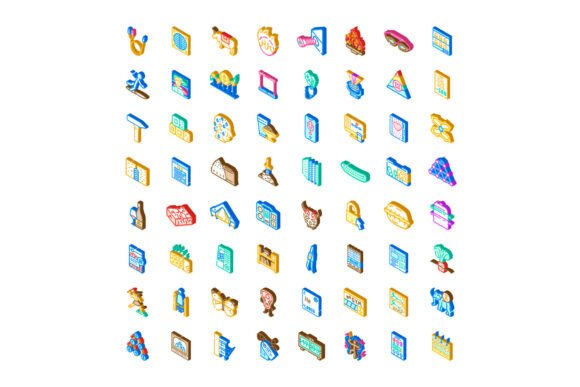
Isometric business and web design elements refer to a unique visual style that uses 3D-like illustrations drawn in a 2D format. These designs maintain a consistent 30-degree angle, creating a sense of depth and dimensionality without the complexity of true 3D modeling. Commonly used in technology, digital art, and modern web design, these elements are especially popular for conveying business concepts, web design components, and everyday life symbols in a visually engaging way.
Unlike traditional flat design, isometric design adds depth and realism, making it easier to communicate complex ideas through simple, yet expressive visuals. Whether it's a team collaboration icon, a website analytics dashboard, or a digital shopping cart, isometric illustrations make these abstract concepts more tangible and relatable.
Why Isometric Design Matters in Modern Web and Business Contexts
In today's fast-paced digital world, visual communication plays a crucial role in how information is absorbed and understood. Isometric design bridges the gap between abstract ideas and real-world understanding by offering a more immersive and visually rich representation of concepts. This makes it especially valuable in fields like business development, digital marketing, e-commerce, and user interface design.
- Enhanced Visual Storytelling: Isometric illustrations help tell stories visually, making it easier to explain complex processes or abstract ideas.
- Improved User Engagement: Websites and apps that use isometric visuals often see higher engagement due to their dynamic and modern appearance.
- Brand Differentiation: Businesses can stand out by using unique isometric graphics that reflect their brand personality and values.
Applications Across Industries
From startups to enterprise-level companies, isometric design elements are being integrated into various aspects of digital strategy. Here are a few examples of how different sectors are leveraging this design style:
- E-commerce: Online retailers use isometric icons to showcase product categories, shopping processes, and delivery systems in a visually appealing way.
- EdTech: Educational technology platforms use isometric illustrations to simplify complex learning modules and make them more engaging for students.
- HealthTech: Medical and wellness apps incorporate isometric visuals to explain procedures, wellness journeys, or health metrics clearly.
- Marketing & SaaS: Software-as-a-Service (SaaS) companies and marketing agencies use isometric graphics to explain features, benefits, and workflows in a visually digestible format.
The Role of Colorful 3D Isometric Icons in Digital Art Projects
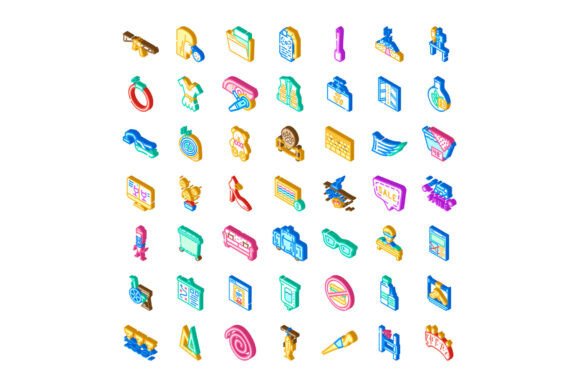
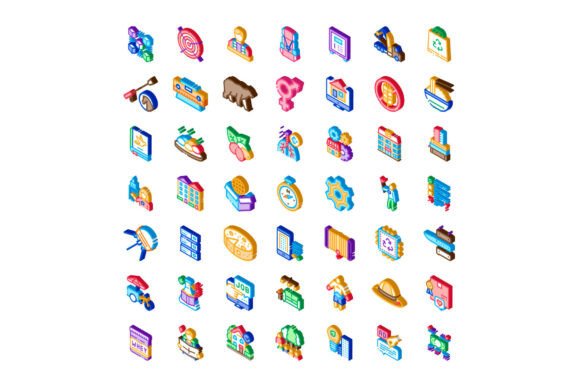
Colorful 3D isometric icons are a subset of isometric design that focuses on creating visually vibrant, thematic icons representing various business and technology concepts. These icons are not only aesthetically pleasing but also serve a functional purpose: they simplify complex ideas and make digital interfaces more intuitive.
For instance, a cloud computing icon might be illustrated using isometric design to show data flow between servers, while a team collaboration icon could depict people working together in a shared workspace. These visuals help users instantly recognize and understand the function or concept behind each element.
Key Features of Isometric Icons
- Consistent Perspective: All icons are drawn using the same 30-degree angle to maintain visual harmony across the set.
- Vibrant Color Schemes: Bright, contrasting colors are used to highlight different parts of the icon and create visual interest.
- Scalability: Since these icons are vector-based, they can be scaled without losing quality, making them ideal for responsive web design.
- Customizability: Designers can easily tweak colors, shapes, and details to match brand guidelines or specific project needs.
How Isometric Design Enhances Web Usability and Aesthetics
One of the major benefits of isometric design in web development is its ability to enhance both the usability and aesthetic appeal of a website. By using isometric visuals, designers can guide users' attention, simplify navigation, and improve the overall user experience.
For example, an onboarding process on a SaaS platform might use a series of isometric illustrations to walk users through setup steps. This approach is more engaging than plain text and helps users retain information more effectively.
Real-World Examples of Isometric Design in Web Interfaces
- Dashboard UI: Analytics dashboards often use isometric charts and icons to represent data in a more visual and interactive format.
- Error Pages: Custom 404 pages with isometric illustrations make error messages less frustrating and more memorable for users.
- Marketing Pages: Landing pages for startups and tech products frequently use isometric graphics to explain features, benefits, and usage scenarios.
Isometric Design vs. Flat Design: Understanding the Difference
While both isometric and flat design styles are popular in modern web and graphic design, they serve different purposes. Flat design is minimalistic and two-dimensional, focusing on simplicity and clarity. Isometric design, on the other hand, introduces depth and dimension, making visuals more engaging and expressive.
Here’s a quick comparison:
| Aspect | Flat Design | Isometric Design |
|---|---|---|
| Visual Style | 2D, simple shapes and colors | 2.5D, angled perspective with depth |
| Use Case | Minimalist interfaces, logos, icons | Explaining processes, visual storytelling |
| Complexity | Low | Moderate to high |
Choosing between flat and isometric design depends on the project's goals, audience, and the message you want to convey. For instance, a financial app may benefit from flat design's clean and professional look, while a creative agency's website might use isometric visuals to showcase innovation and depth.
How to Incorporate Isometric Elements into Your Design Projects
Whether you're a designer, developer, or business owner, integrating isometric design into your digital projects can significantly enhance your visual communication. Here’s how to get started:
- Define Your Purpose: Determine what you want to communicate—whether it’s a process, a feature, or a concept—and choose visuals that align with that message.
- Choose the Right Tools: Use design software like Adobe Illustrator, Figma, or online isometric grid tools to create or customize isometric graphics.
- Maintain Consistency: Ensure all icons and illustrations follow the same style, color palette, and perspective to create a cohesive look.
- Optimize for Performance: Compress image files and use SVG formats to ensure fast loading times without compromising quality.
Popular Tools and Resources for Isometric Design
- Isometric Land – A collection of free isometric illustrations and templates.
- Smart Mockups – Offers isometric web and device mockups for presentations.
- Illustrator Isometric Grid Plugin – Helps create precise isometric designs quickly.
- Iconscout – A marketplace with thousands of isometric icons and illustrations.
Conclusion: The Future of Isometric Design in Digital Communication
As digital communication continues to evolve, the demand for visually engaging and informative design elements will only grow. Isometric business and web design elements offer a powerful way to convey complex ideas with clarity and style. Whether you're building a website, creating marketing materials, or developing a digital product, incorporating isometric design can elevate your visuals and improve user engagement.
By understanding the purpose, benefits, and practical applications of isometric design, you can make informed decisions about how to use these elements effectively in your next project. Whether you're a beginner or an experienced designer, exploring the world of isometric illustrations opens up new possibilities for creative expression and impactful storytelling.