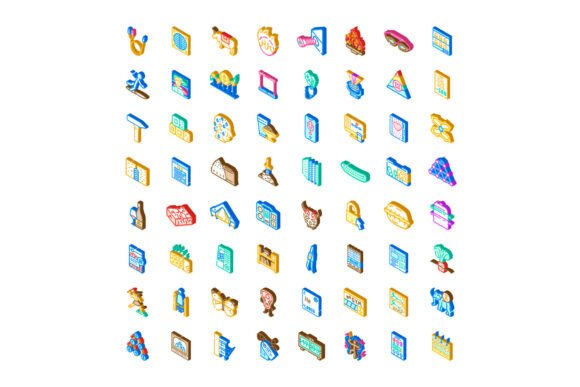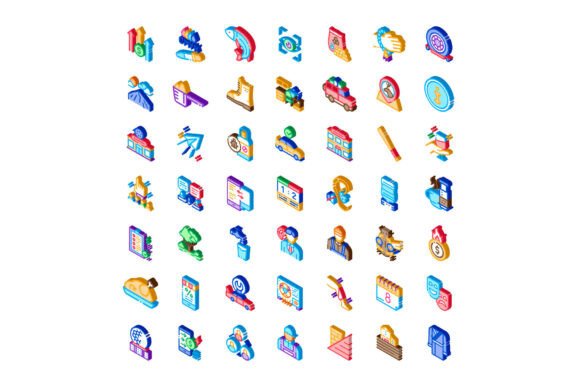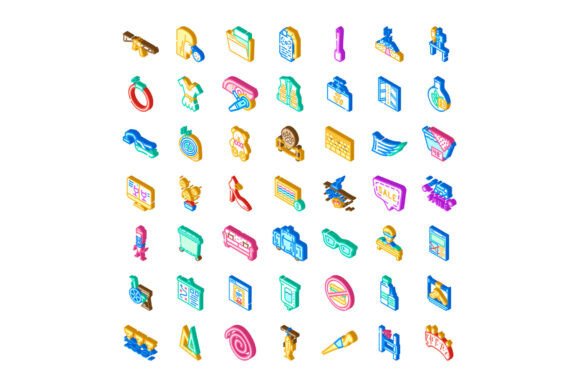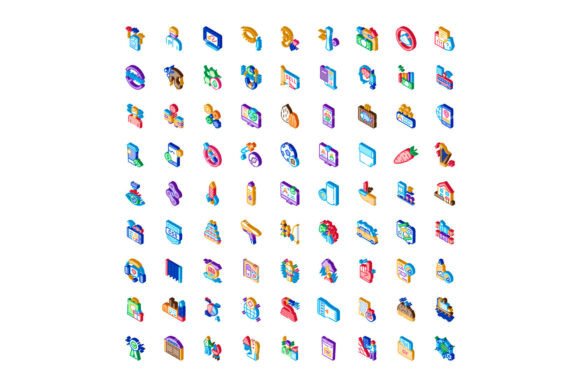
Isometric Icons Collection Representing Modern Digital Solutions
Isometric icons have become a cornerstone in modern digital design, offering a unique blend of visual appeal and functional clarity. The Isometric Icons Collection Representing a wide array of concepts—ranging from web design elements and social media to mobile applications, e-commerce, and various business and technology solutions—has gained traction among designers and developers alike. These icons are not just aesthetically pleasing; they serve a practical purpose in conveying complex ideas through simplified, three-dimensional visuals.
Understanding Isometric Icons
At their core, isometric icons are two-dimensional illustrations that simulate a three-dimensional perspective. This technique, rooted in isometric projection, allows for a more engaging and realistic representation without the complexity of full 3D modeling. The Isometric Icons Collection Representing modern digital workflows provides a cohesive visual language that enhances user interfaces and digital communications.
Designers often use these icons to represent abstract ideas, such as data analytics, cloud computing, or mobile responsiveness, in a way that's both intuitive and visually engaging. Unlike flat icons, which offer minimal depth, isometric icons add a sense of dimensionality that can improve user comprehension and interaction.
Applications in Web Design
Web design is one of the primary domains where the Isometric Icons Collection Representing digital tools and platforms has found a home. These icons are particularly effective in illustrating website features, interactive elements, or backend processes that users may not see but are essential to the site’s functionality.
- Navigation elements: Buttons, menus, and links can be enhanced with isometric icons to guide users intuitively through a site.
- Feature highlights: Complex services like hosting, security, or performance optimization can be broken down into digestible visual cues.
- Interactive storytelling: Landing pages often use isometric illustrations to guide visitors through a product or service journey.
For example, a SaaS platform might use isometric icons to visually explain its onboarding process, data encryption features, or integration capabilities—all without requiring lengthy text explanations.
Role in Social Media and Mobile Applications
With the rise of mobile-first design and the dominance of social media in digital marketing, the Isometric Icons Collection Representing these platforms has become invaluable. These icons are used in app interfaces, promotional graphics, and even in social media posts to convey actions, features, or brand identity in a visually engaging way.
In mobile applications, isometric icons help users understand functionality at a glance. For instance:
- A fitness app might use isometric icons to represent workout types, progress tracking, or social sharing features.
- A finance app could use isometric representations of savings, investments, and budgeting tools to simplify financial literacy for users.
- Social media dashboards often rely on isometric icons to illustrate analytics, engagement metrics, and content scheduling features.
These icons not only enhance the user experience but also contribute to a consistent visual identity across platforms. Brands that use the Isometric Icons Collection Representing their services can maintain a unified look and feel, which strengthens brand recognition and user trust.
Boosting E-Commerce Experiences
E-commerce is another area where isometric icons play a crucial role. Online stores need to communicate trust, speed, and convenience quickly and effectively. The Isometric Icons Collection Representing shopping experiences—such as fast shipping, secure payment, customer support, and product categories—can significantly enhance the visual appeal and usability of an e-commerce site.
Consider the following use cases:
- Product pages: Isometric icons can illustrate product features like durability, ease of use, or compatibility without cluttering the layout.
- Checkout process: Visual cues like lock icons for security or truck icons for delivery help users navigate the purchasing flow with confidence.
- Customer service: Chat, phone, or FAQ icons can guide users to support options in a visually appealing way.
These icons are especially useful for international audiences, as they transcend language barriers and provide universal visual signals. This makes them a powerful tool for global e-commerce platforms aiming to deliver a seamless shopping experience.
Supporting Business and Technology Solutions
From startups to enterprise-level organizations, the Isometric Icons Collection Representing business and technology solutions is widely used in presentations, dashboards, and internal tools. These icons help visualize complex systems, workflows, and strategies in a way that’s easy to digest and present.
For example:
- Project management tools: Trello, Asana, or Monday.com might use isometric icons to represent tasks, timelines, and team collaboration features.
- Data visualization: Dashboards in tools like Google Analytics or Power BI often integrate isometric icons to represent different data sets or KPIs.
- Cloud services: AWS, Microsoft Azure, or Google Cloud might use isometric icons to depict storage, computing power, and network configurations.
These icons not only make interfaces more engaging but also help users process information more efficiently. In business settings, this can lead to faster decision-making and improved collaboration.
Choosing the Right Icons for Your Project
When selecting icons from the Isometric Icons Collection Representing your specific needs, consider the following factors:
- Consistency: Ensure that all icons follow the same style, color palette, and perspective to maintain visual harmony.
- Scalability: Choose icons that remain clear and recognizable at different sizes, especially for responsive web and mobile designs.
- Relevance: Select icons that accurately represent the function or concept they are illustrating to avoid confusion.
- Customizability: Opt for collections that allow for easy color changes, resizing, and integration with design tools like Figma, Sketch, or Adobe XD.
Many designers also recommend starting with a core set of icons and expanding as needed. This approach ensures that the visual language remains cohesive while allowing flexibility for future updates or redesigns.
Conclusion: A Versatile Tool for Modern Design
The Isometric Icons Collection Representing a broad spectrum of digital elements has become an essential asset for designers across industries. Whether you're building a website, launching a mobile app, optimizing an e-commerce platform, or visualizing business strategies, isometric icons offer a blend of aesthetics and functionality that enhances user experience and communication.
By integrating these icons into your design workflow, you can create interfaces that are not only visually striking but also intuitive and user-friendly. As digital design continues to evolve, the versatility and clarity of isometric icons will remain a valuable tool for conveying complex ideas in a simple, engaging way.